1911 vs 2011: which single-action pistol fits you
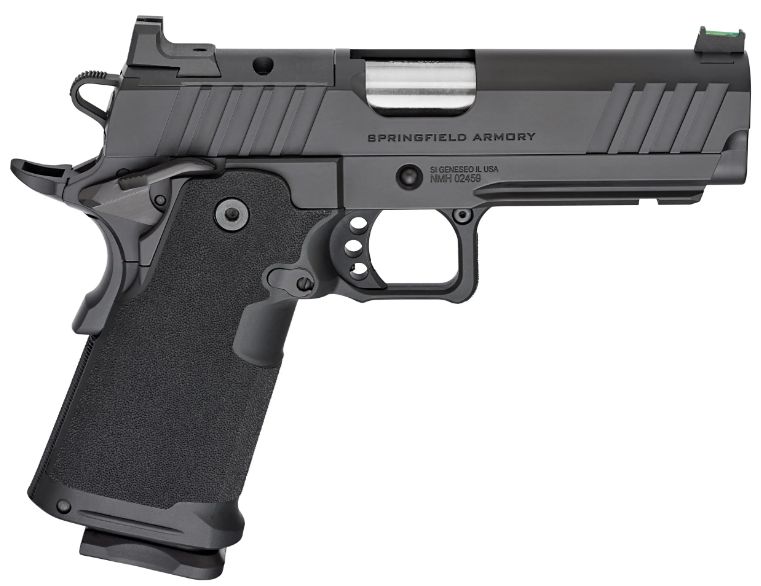
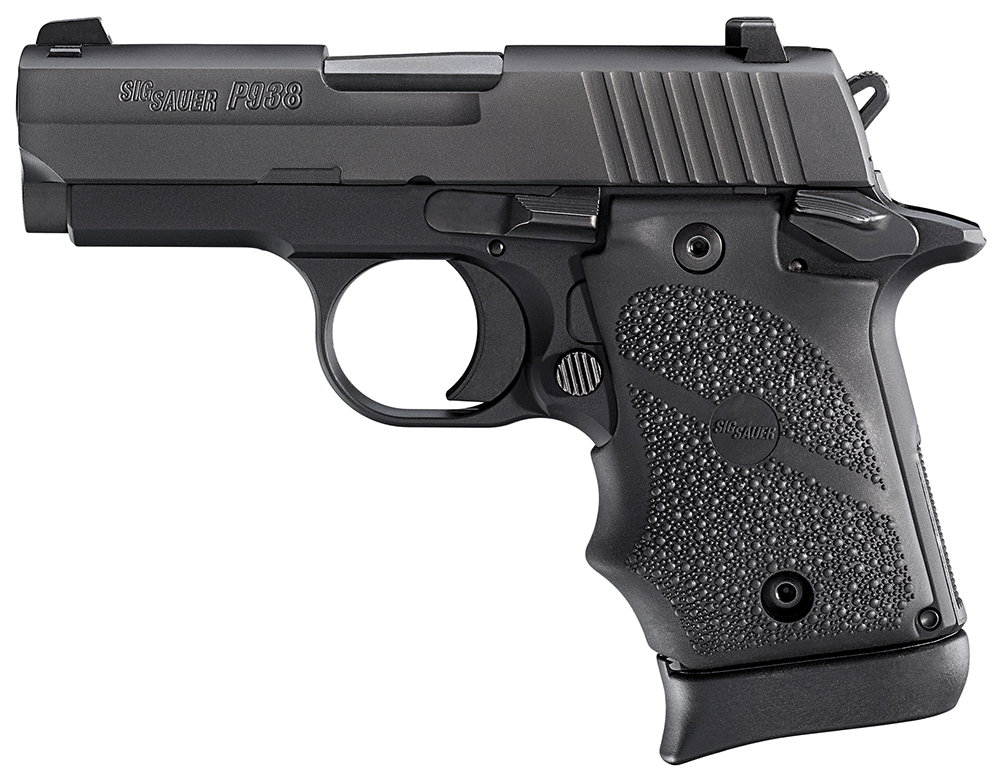
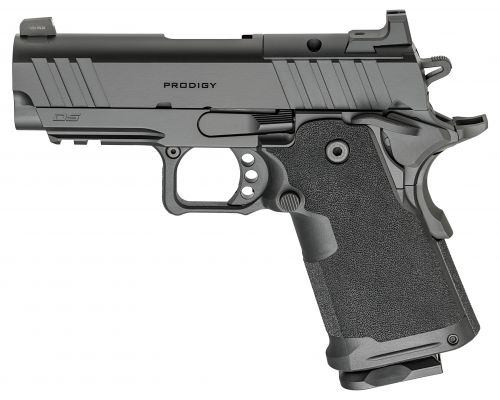
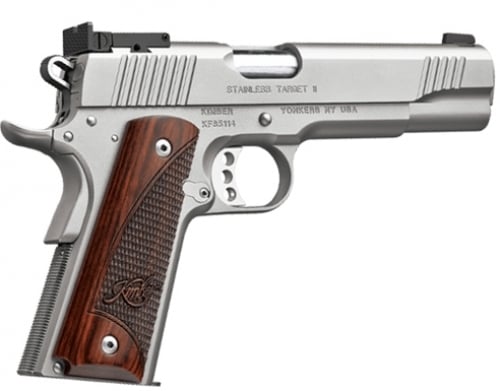
Both pistols share the same trigger, the same safeties and most of the same parts above the grip. They differ in how many rounds they hold, how wide they are, what they weigh, what they cost and what they demand of the owner. This guide sets the two side by side so you can decide which one to order, whether the tag says Bul Armory, Staccato, Springfield, Kimber or Colt. It is general information drawn from published specifications and owner experience; we are an independent store, not affiliated with any maker, and every pistol ships to your licensed dealer.
Capacity
A 1911 holds 7 or 8 rounds of .45 ACP or 9 or 10 of 9mm in a single-stack magazine. A full-size 2011 holds 16 to 20 rounds of 9mm. For competition and defense, capacity is the 2011's whole argument, and it is a strong one; for a range gun, a hunting sidearm or a pistol you carry with a spare magazine, the single-stack's count is enough for many owners.
Width and carry
The 1911 is one of the slimmest full-size pistols made, about 1.3 inches across the grips, which is why a Commander-size 1911 carries so well inside the waistband. A 2011 grip module is noticeably wider, though shaped to feel less so in the hand. Carry-sized 2011s with aluminum frames have closed the gap, but a single-stack still hides more easily.
Weight
A steel Government 1911 weighs about 39 ounces empty; a steel full-size 2011 is similar empty and heavier loaded because of the extra rounds. Aluminum-framed versions of either save half a pound. On the range weight is your friend; on the belt it is not.
Trigger
Identical in principle: a straight-pull single-action trigger with a short, crisp break. A good 1911 and a good 2011 feel the same on the trigger, and a mediocre example of either feels worse than a good example of the other. Production 2011s tend to ship with lighter, better-tuned triggers than production 1911s at the same price, because they are aimed at competitors.
Calibers
The 1911 is the natural home of .45 ACP and also comes in 9mm, 10mm and .38 Super. The 2011 is overwhelmingly 9mm, with .40 S&W and .38 Super in competition guns. If you want .45, buy a 1911. If you want 9mm capacity, buy a 2011.
Price
Entry-level 1911s from Tisas, Rock Island and similar makers cost a fraction of any 2011, and mid-range 1911s from Springfield, Ruger, Colt and Bul are still well under the cheapest respectable 2011. Above that the two overlap: a semi-custom 1911 costs what a mainstream 2011 costs. The Bul Armory line is interesting because its 1911 Classic and its SAS II 2011 bracket the middle of the market; the Bul guide covers both.
Magazines
1911 magazines are cheap, plentiful and largely interchangeable between makers; a good one costs about the price of a box of ammunition. 2011 magazines are expensive, platform-specific and often need tuning, as explained in the magazine guide. Budget several magazines into the price of either pistol, and budget more for the 2011.
Reliability
A well-fitted 1911 with quality magazines is reliable and has a century of service to prove it; a poorly fitted one is the source of the platform's mixed reputation. A 2011 adds the double-stack magazine as one more thing to tune. Both reward cleaning and oil and punish neglect more than a striker-fired polymer pistol does. Owners who choose either platform for defense should run several hundred rounds through their carry magazines first.
Competition
In USPSA, a single-stack 1911 has its own division (Single Stack), and 2011s dominate Limited, Limited Optics and Open. In IDPA the 1911 lives in CDP and ESP; 2011s run in ESP and CO where they fit the rules. If you know which division you want to shoot, the choice makes itself.
Home defense
A railed 2011 with a light and 17 rounds is hard to argue against for a nightstand. A railed 1911 works too, with fewer rounds and a slimmer grip that some family members handle better. Either needs the same training on the thumb safety.
Maintenance
The same. Field strip, oil the rails, clean the breech face, replace the recoil spring on schedule, keep the magazines clean. The 2011 adds grip-module screws to check and wider magazines to inspect.
Holsters and gear
The 1911 has a century of holster makers behind it, and a Government or Commander model fits almost anything. 2011 holsters must match the grip module, rail and slide of the specific model and are a newer, thinner market; buy from a maker that lists your pistol. Magazine pouches follow the same logic: single-stack pouches are universal, double-stack 2011 pouches are sized to the tube.
The decision in short
- Buy the 1911 if: you want .45 ACP, the slimmest carry gun in the class, the lowest price of entry, cheap magazines, or a pistol with history.
- Buy the 2011 if: you want 17-plus rounds of 9mm with a 1911 trigger, you compete in Limited or Carry Optics, or you want the flattest-shooting duty pistol you can buy and are willing to pay for and maintain it.
- Buy both, eventually: most owners of one end up with the other, because the trigger is the same and the roles are different.
The 2011 platform guide goes deeper on the double-stack design. Whichever you choose, the buying guide explains the FFL transfer and the states where a 17-round magazine cannot ship. Browse 1911s or search 2011 in the catalog.
General information, not legal advice. Current as of September 2026. Laws change; check the official source before you act.