The 2011 platform explained: frames, grips and magazines
The 2011 is the pistol everyone in the single-action world is talking about, and the name confuses people because it is both a trademark and a category. This guide explains what a 2011 actually is mechanically, how the frame, grip module and magazine fit together, who builds them and what you give up for the trigger and capacity you gain. It is general information drawn from published specifications and owner experience; we are an independent store, not affiliated with Staccato, Bul Armory, Springfield Armory or any maker, and every pistol ships to your licensed dealer.
Where the name comes from
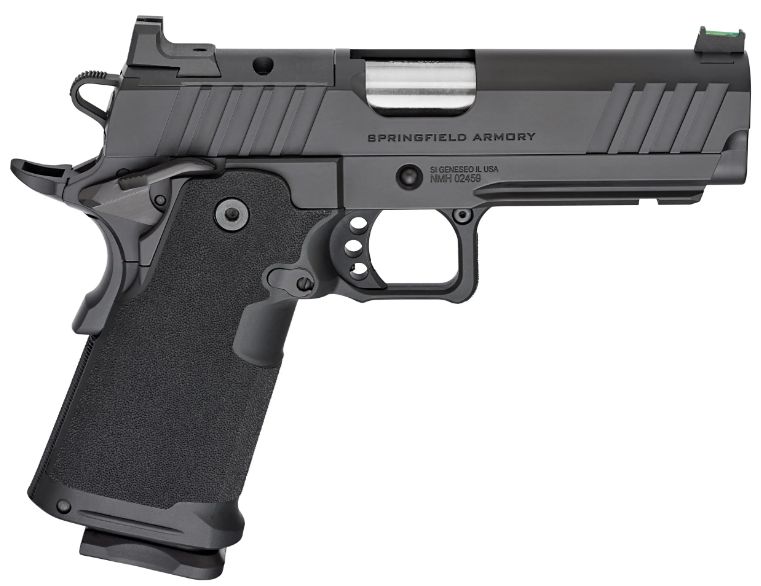
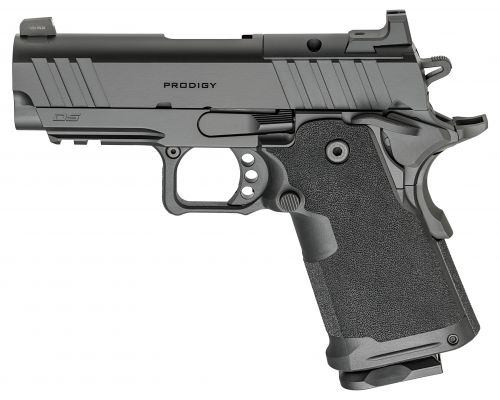
In the early 1990s STI International introduced a 1911 variant with a modular frame: a steel upper frame carrying the rails and fire control, and a separate polymer grip that bolted on and housed a double-stack magazine. STI called the design the 2011 and trademarked the name. STI became Staccato in 2020, and Staccato still owns the 2011 trademark, but the design has been copied and refined by many makers, so "2011" is now used loosely for any double-stack 1911-pattern pistol with a modular grip. Springfield's Prodigy, Bul's SAS II, Kimber's KDS9c, the Atlas Gunworks and Infinity race guns and a dozen others all belong to the category.
The three parts
- Frame. A steel or aluminum upper frame with the slide rails, dust cover (often railed), trigger track and the holes for the 1911 fire-control pins. It is the serialized part.
- Grip module. A polymer, aluminum or steel grip that bolts to the frame with a screw or two and contains the magazine well, the mainspring housing and often the magazine release. Modules can be swapped for different textures, sizes and weights.
- Magazine. A wide double-stack magazine tapering to a single feed position, usually 16 to 20 rounds of 9mm in a full-size gun, more in extended competition tubes.
What stays 1911
Almost everything above the grip. The slide, barrel, bushing or bull barrel, recoil system, hammer, sear, disconnector, thumb safety and grip safety are 1911 parts or close variants. The trigger is the straight-pull 1911 trigger with its short, crisp break and tiny reset, which is the whole reason people buy the platform. A 2011 shooter who knows a 1911 knows how to run and maintain the gun.
What changes
Width, mostly. A 2011 grip is thicker than a single-stack 1911's but, because the module is shaped rather than flat, most owners find it fills the hand without feeling fat. Weight goes up on steel-framed guns, which is welcome at the range and less so on the belt. Magazines are the other big change: they are platform-specific, they are expensive, and tuning them is part of ownership; the magazine guide covers that.
Frame materials and sizes
Steel frames give the flattest shooting and the most weight, around 40 ounces loaded on a full-size gun. Aluminum frames save half a pound or more and are the standard for carry-sized 2011s. Sizes follow 1911 conventions: 5-inch Government, 4.25- to 4.4-inch Commander, and 3.25- to 3.9-inch compacts, plus long-slide 6-inch competition guns. Grip modules come in full and short lengths to match.
Optics
Modern 2011s are built around red dots. Most current models ship with an optic-ready slide and a plate system or a direct cut for the common footprints, and competition versions offer frame-mounted optic setups that keep the dot still while the slide moves. Iron-sight versions remain available.
Who builds them and at what price
Very roughly, in ascending price: budget imports and value brands such as Tisas and Girsan; Bul Armory and Kimber in the mid range; Springfield Armory's Prodigy at a mainstream price with a large dealer network; Staccato with duty adoption and the original trademark; and Atlas, Infinity and full custom shops at the top. The price gap between the bottom and the top is several times over, and what it buys is fitting, finish, tuning and support more than a different mechanism. The Bul Armory guide covers the mid-range in detail.
Reliability and maintenance
A well-built 2011 is reliable, but the platform is less tolerant of neglect than a striker pistol. Rails want oil; the recoil spring is a maintenance item; magazines need clean tubes, fresh springs and occasional feed-lip attention; and the extractor is a fitted part that a gunsmith may need to tune. Owners who treat the gun like a race car, cleaning and inspecting regularly, report few problems. Owners who expect a Glock's indifference report more.
Recoil and the shooting experience
The reason competitors pay for the platform is how it shoots. A heavy steel frame, a low bore axis relative to the grip and a light trigger make a 9mm 2011 track flat and return to the target faster than almost any striker pistol. Owners describe the sensation as the dot barely leaving the target during a pair. Aluminum carry models give up some of that, and are still softer than a polymer compact of the same size.
Manual safety
Every 2011 has a thumb safety and most have a grip safety. Carrying cocked and locked is the correct way to carry the platform, and it requires training until sweeping the safety off on the draw is automatic. Some competition guns delete the grip safety; carry guns keep it.
Is it for you
The 2011 is for someone who values the trigger and the flat recoil enough to pay for them and maintain them: competitors, serious defensive shooters and people who simply enjoy a fine pistol. The 1911 vs 2011 guide weighs it against the single-stack; the buying guide covers the transfer and the state magazine limits that affect a 17-round pistol. Search 2011 in the catalog for what is in stock today.
General information, not legal advice. Current as of September 2026. Laws change; check the official source before you act.